Pearl River Tower: Wind-Informed Skyscraper Design
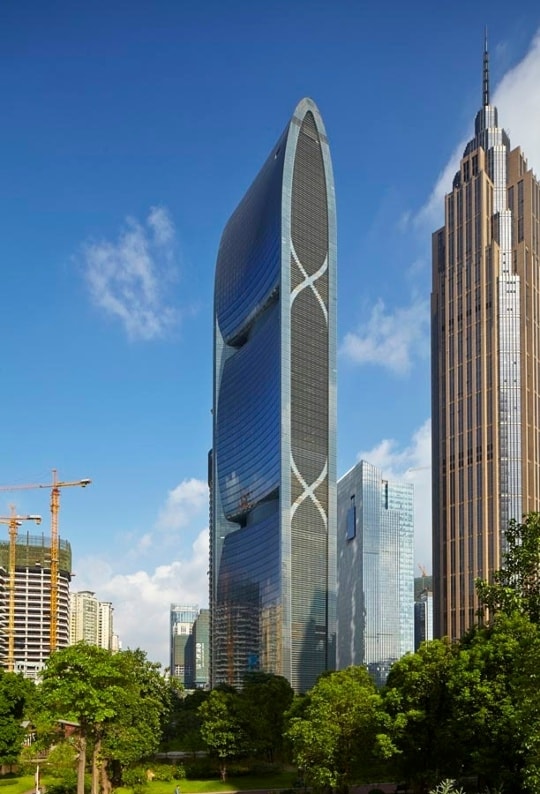
Some buildings are designed to resist wind; others seek to use it as a resource. Pearl River Tower in Guangzhou, designed by SOM, has an aerodynamic form intended to channel airflow through dedicated openings at its mechanical floors.
What makes the design unusual?
The architecture acts as an air intake: the building's geometry helps collect and accelerate wind in selected areas.
The design was investigated through computational fluid dynamics (CFD) and wind-tunnel tests to take advantage of the area's prevailing winds.
It is a widely discussed example of integrating an energy-generation concept into the architecture itself rather than installing a separate facility.
Why are projects like this uncommon?
Even when an engineering concept is viable, economics and regulatory requirements can limit its implementation. For Pearl River Tower, the wind-generation element is therefore best understood as an ambitious design concept.