Annapolis Tidal Station: Engineering Lessons from a Shutdown
Tidal power may seem almost ideal: water movements are predictable, the resource is renewable, and harnessing the tides appears inherently sustainable. In practice, however, such projects are more complex than they first appear.
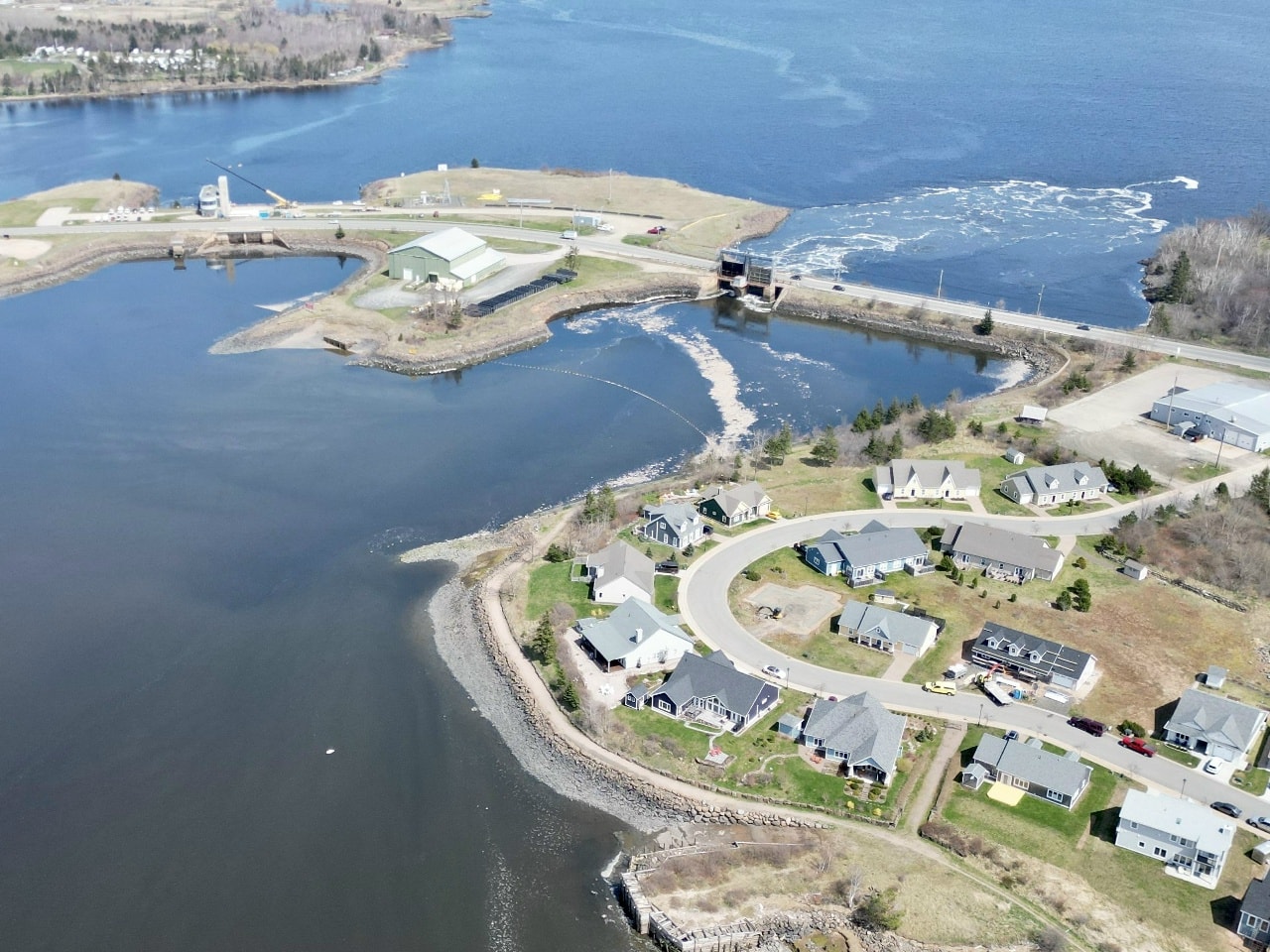
An instructive example is Annapolis Tidal Station in Nova Scotia, Canada. The plant stood on the Annapolis River near the Bay of Fundy, which is known for some of the world's highest tides.
The facility began operating in 1984 and had an installed capacity of 20 MW. At the time, it was an important experiment demonstrating how differences in water levels between high and low tides could be used to generate electricity.
The project nevertheless faced limitations. Operating a tidal power station involves more than a turbine and generator: it can affect water flow, sediment transport, coastal erosion and fish migration.
An equipment failure brought operations to a halt in 2019. The project was subsequently brought to an end, and the facility was decommissioned.
This experience demonstrates that even a promising energy concept does not guarantee reliable long-term operation. Equipment reliability, environmental assessment, operational risks and an understanding of interactions with the surrounding environment are critical for emerging technologies.
Tidal energy remains a compelling field, but the experience of Annapolis Tidal Station is a reminder that even renewable energy sources require sophisticated engineering solutions and careful assessment of their impacts.